Democratic Midterm Wins Reshape Science Policy Landscape
Democratic majorities in the US Senate and House following the 2022 midterm elections enable new congressional oversight, potentially blocking Trump-era plans to politicize research grants and reversing cuts to government science funding.
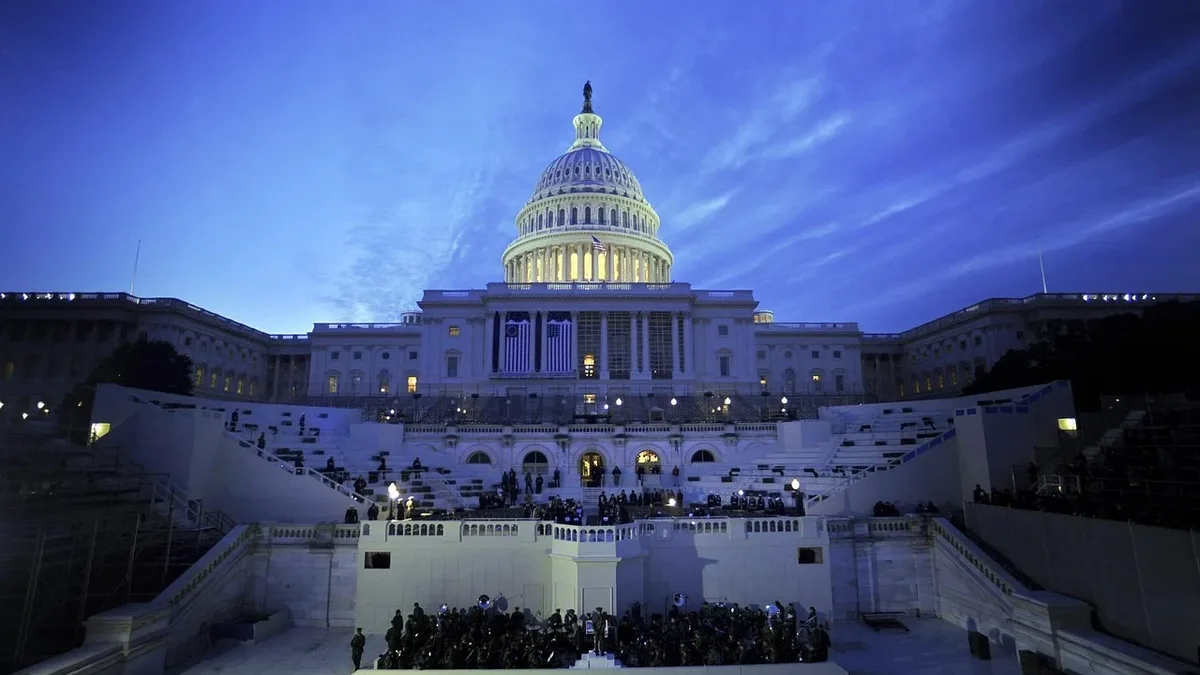
Democrats secured majorities in both the House and Senate in the November 3, 2022 mid-term elections, ending Republican control of Congress. Scientists welcomed this 'blue tsunami,' which creates new leverage for science policy and accountability in Washington. The Democratic majority could enable the new Congress to negate the Trump administration's plans to give political appointees control over research grants and limit or reverse cuts to government support for research. While some seats were still to be declared, the party had already secured its majorities.
Science policy implications
Democrats in charge of Congressional committees would have the power to call cabinet department leaders to account for their policies and spending, a capability the Republican majorities had not used in the past two years. California Democrat Zoe Lofgren, expected to lead the House science, space and technology committee, warned she would put cabinet members such as energy secretary Chris Wright and health and human services secretary Robert Kennedy Jr. under strong scrutiny. The new Democratic majorities would also pressure the administration on its dismissal of the global impact of climate change.
Reversing the administration's scientific policies would not be easy. It takes a two-thirds majority in the House and Senate to overturn a presidential veto, and remaining Republicans in both houses were unlikely to make that possible. Former US presidential science adviser Neal Lane noted that more mischief was possible from the Republicans and that while research funding no longer faced steep cuts, real growth would still be very difficult to achieve.
Scientist representation in Congress
Democratic scientists, engineers, and medical professionals supported by the pressure group 314 Action were entering Congress for the first time. Their presence is expected to advocate for evidence-based policy from within the legislative branch.
Market and energy context
Market movements and shifts in energy policy followed the election results. Major indices rose at the opening bell on Wednesday, while oil prices fell to their lowest levels in four weeks.
| Index / Commodity | Change |
|---|---|
| Nasdaq | up 1 percent |
| Dow Jones Industrial Average | up 1.8 percent |
| S&P 500 | up 1.1 percent |
| Brent crude oil | down $3.20 to $100.40 a barrel |
| West Texas Intermediate crude | down $3.01 to $93.08 a barrel |
Individual stock movements were mixed. Retailers Walmart and Target rose 1.3 percent and 3.3 percent respectively, while UnitedHealthcare fell 2.9 percent and CVS Health dropped 12 percent. Cigna rose 1.6 percent. Tech stocks Oracle and Nvidia opened lower, while Alphabet rose 3.5 percent.
Democrats performed well in Ohio, Texas, and other states with pronounced AI buildout. However, voters in several states expressed opposition to huge data centres being built by the AI industry. Analyst David Ives suggested this could present a big hurdle to future construction plans, estimating that 10 percent of data centers will not happen now.
Gretchen Goldman, president of the Union of Concerned Scientists, stated the results represented a new day in Washington and created huge opportunities for science and for getting accountability for attacks on science. Neal Lane said democracy is still alive in this country, and American science can start to repair and rebuild. He concluded that merit peer review, not political ideology, will, again, ensure progress in science.