Wave Particle Duality
A Concepts physics concept page covering explained simply, the physics, how we know and common misconceptions, alongside the 21 reports filed on it so far.
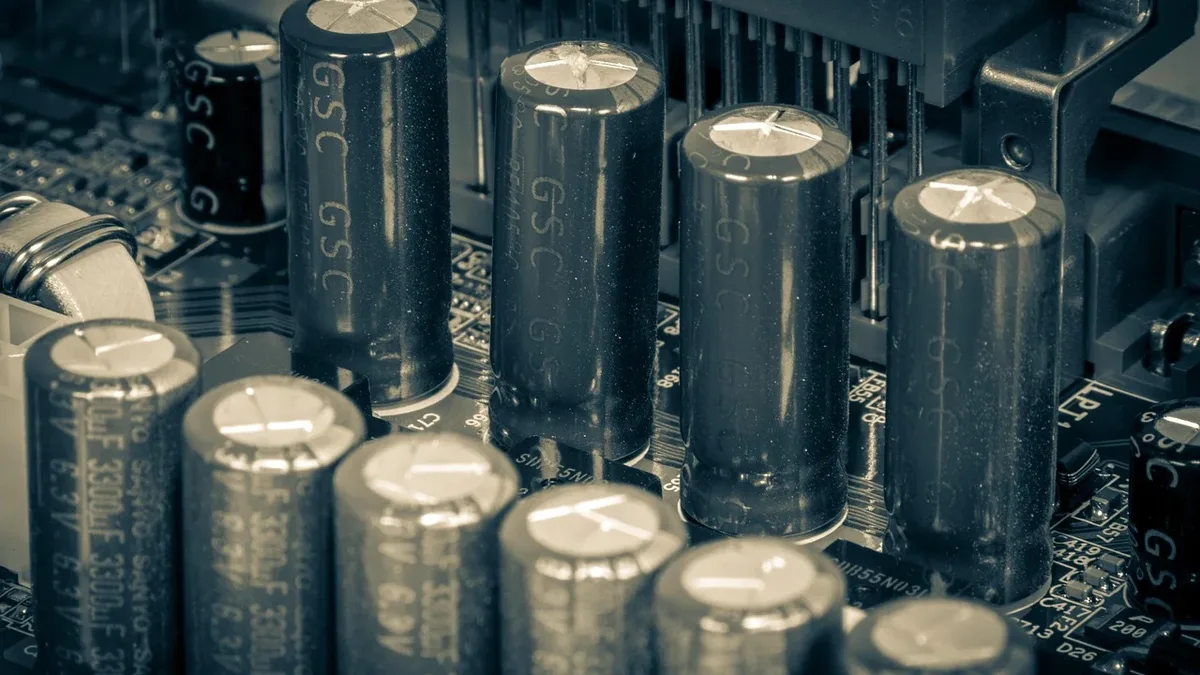
Cockcroft-Walton accelerator history and modern applications
The first particle accelerator, built by Cockcroft and Walton in 1932, used 800,000 volts to split lithium atoms.
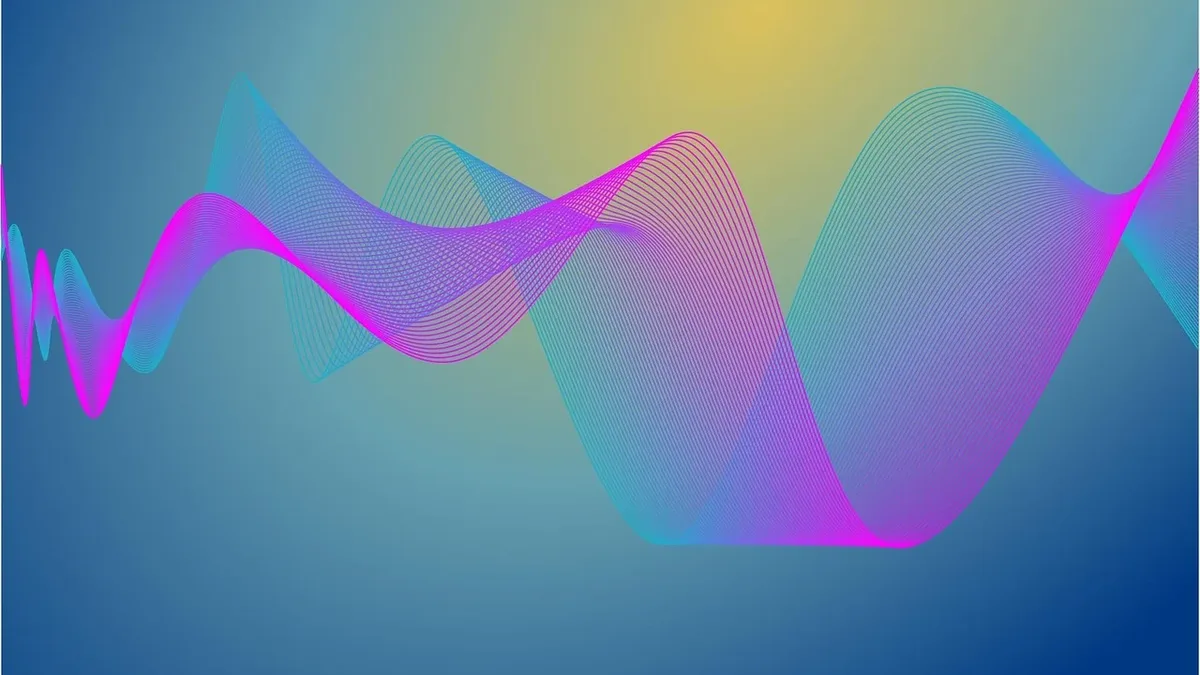
Hyperbolic metamaterials create robust, chiral wave attractors
Researchers demonstrated that hyperbolic metamaterials suppress chaotic wave dynamics.
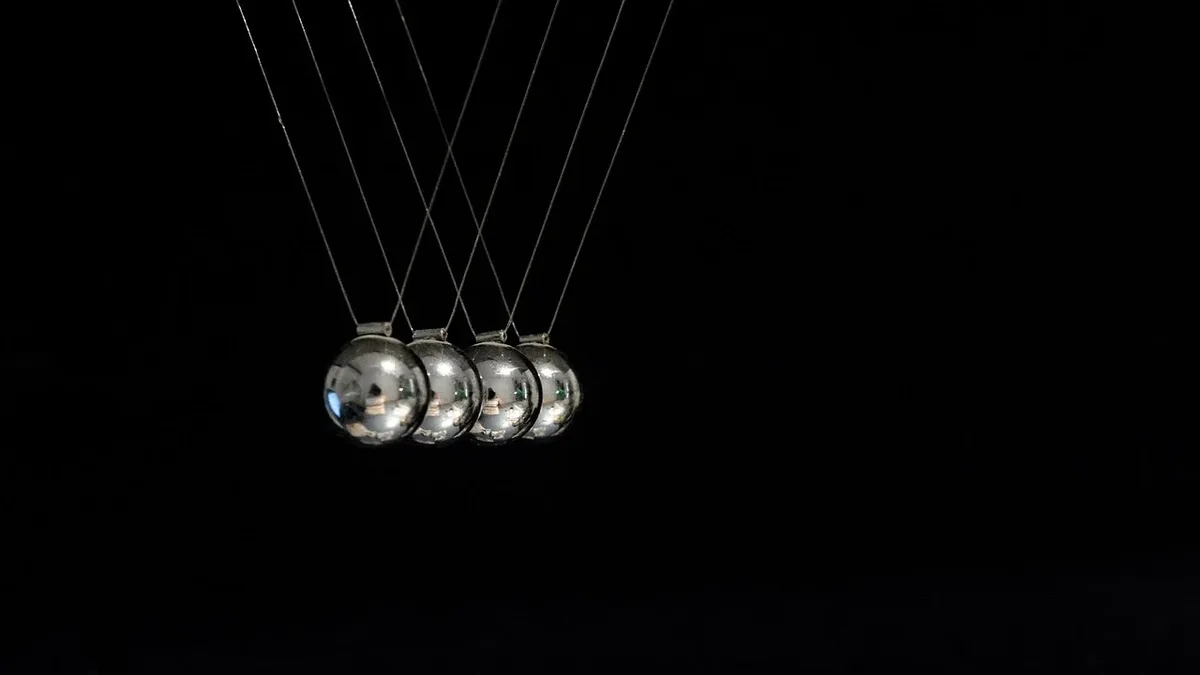
Quantum simulator replicates string-breaking process
A 13-ion trapped-ion quantum simulator modeled string breaking, a process analogous to quark dynamics and particle formation in the early universe.
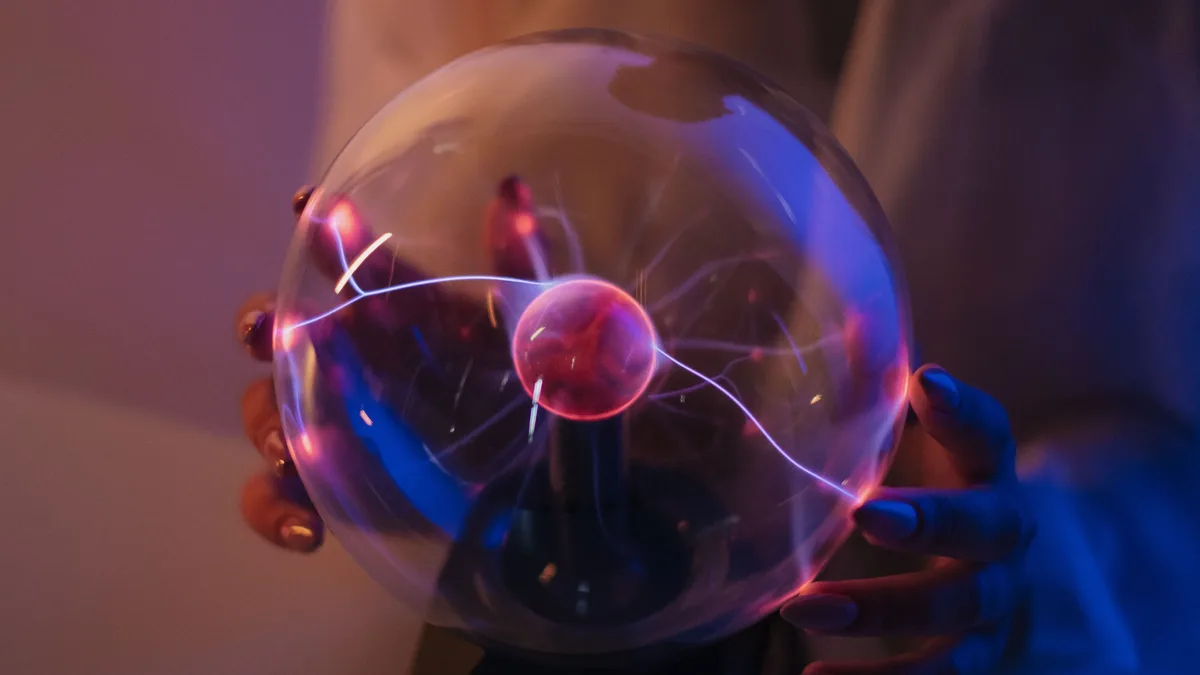
ATLAS and CMS Develop New Tracking for HL-LHC Challenges
The ATLAS and CMS experiments are preparing new tracking algorithms to handle the high particle density of the HL-LHC.

LHCb Discovers Unexpectedly Light Beauty-Strange Particle
The LHCb experiment at CERN has discovered a new particle in the beauty-strange sector.
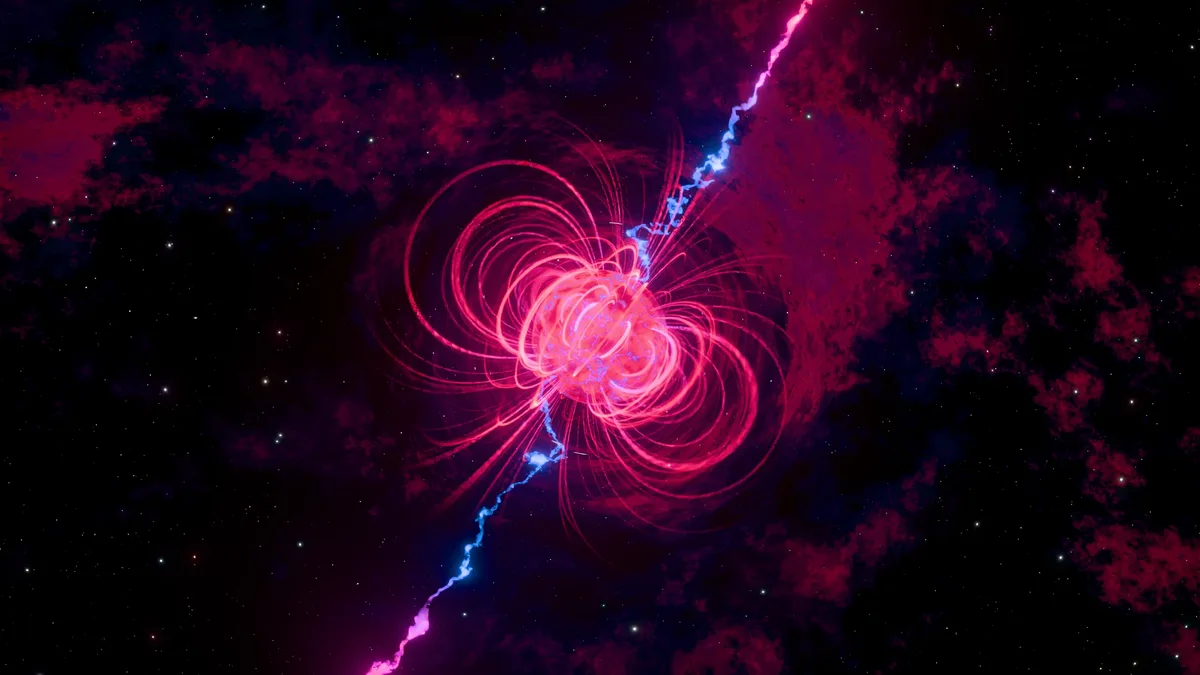
LUX-ZEPLIN detector records potential dark matter event
A single high-energy event at the LUX-ZEPLIN dark matter detector has physicists exploring non-standard particle models.

CosmicWatch: A $100 Muon Detector Opens Particle Physics to Students
A compact, $100 detector called CosmicWatch, developed at the University of Delaware, allows students and researchers to detect invisible cosmic...
Self-Supervised Learning Sharpens Resonance Mass Reconstruction
A new self-supervised learning method improves the reconstruction of heavy resonance masses in particle physics experiments.
Quantum computer simulates particle creation in 1D Ising model
Researchers have used a 104-qubit quantum processor to simulate the inelastic production of a heavier particle from a collision of two light...
Quantum computers could hunt dark matter at LHC
A particle physicist is developing quantum algorithms to search for anomalies in data from the upgraded Large Hadron Collider.
LUX-ZEPLIN dark matter detector reports rare unexplained event
The LUX-ZEPLIN experiment has detected a rare particle interaction that looks unusually difficult to explain as ordinary background noise.

First Measurement of J/ψ Photoproduction on Neutron
Physicists report the first measurement of near-threshold J/ψ particle production from a neutron target.

Physicist Sarah Demers on AI's Role in Particle Physics
Yale physicist Sarah Demers discusses the U.S. Department of Energy's use of AI to optimize the Mu2e experiment.
GlueX Experiment Finds Two New XYZ Particle Candidates
The GlueX Collaboration at Jefferson Lab has discovered evidence for two new structures, Y(2240) and X(1830).

GRENDEL Detector Proposed for LHC Long-Lived Particle Search
Physicists propose GRENDEL, a new detector in the CMS drainage gallery to search for neutral long-lived particles in the 0.2-15 GeV mass range.

LZ experiment hints at dark matter
The LUX-ZEPLIN (LZ) dark matter experiment has identified a single anomalous particle interaction in its latest data analysis.

Tracking detectors face future collider demands
A review paper outlines the stringent requirements for next-generation particle tracking and vertexing detectors at future electron, muon, and hadron...

Hilbert Space: The Arena of Quantum States
Von Neumann’s 1927 axioms placed Hilbert space at the core of quantum mechanics, unifying matrix and wave formulations and defining the quantum state...

New theory may solve 30-year neutrino mystery
A theoretical study suggests that missing neutrinos in gallium-based experiments may not indicate a new particle but could be due to a calculation...

Exploring High-Energy Proton-Pion Separation in Granular Calorimeters
Researchers investigate the limits of high-energy proton-pion separation in granular calorimeters, using Geant4 simulations and a Deep Sets model to...

Axion-like Particle at 10 GeV Scale: Higgs Decays to Wide Jets and Photons
Researchers explore the possibility of axion-like particles at the 10 GeV scale, investigating Higgs decays to wide jets and photons.