Cockcroft-Walton accelerator history and modern applications
The first particle accelerator, built by Cockcroft and Walton in 1932, used 800,000 volts to split lithium atoms.
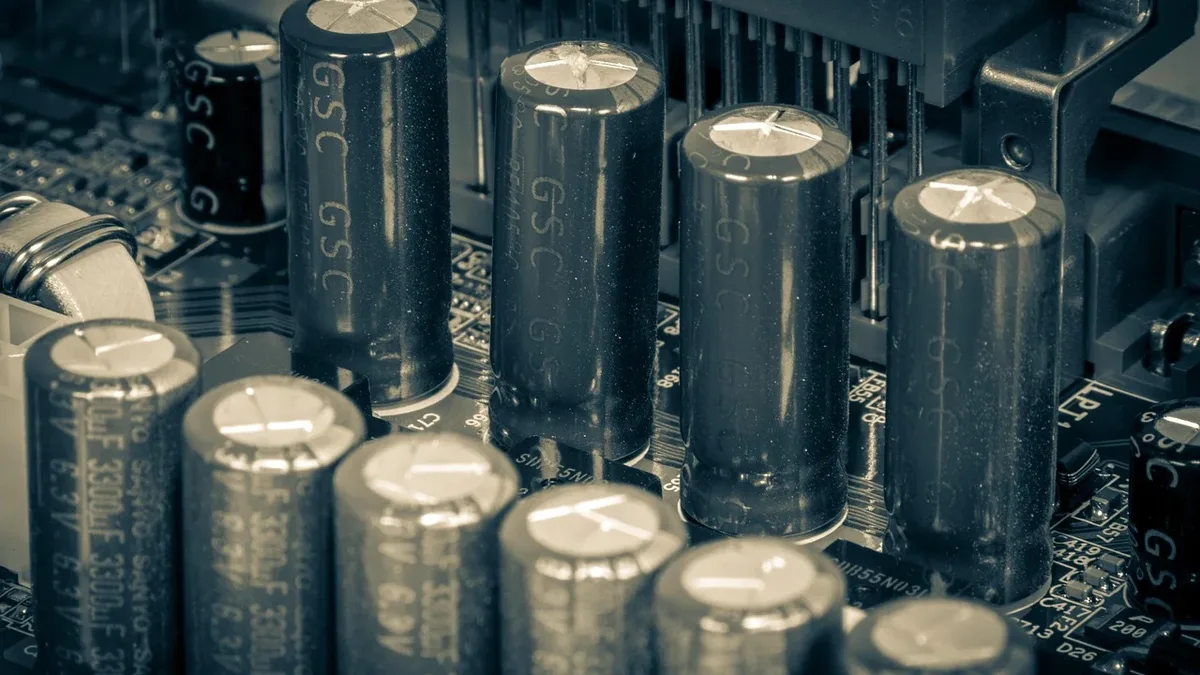
The first particle accelerator was developed in the early 1930s by physicists John Cockcroft and Ernest T.S. Walton. Their machine, which could fit in a room, produced up to 800,000 volts, a potential equivalent to the energy of over 500,000 AA batteries.
John Cockcroft was a British physicist and Ernest T.S. Walton was an Irish physicist. They conducted their pioneering work under Ernest Rutherford at the Cavendish Laboratory at the University of Cambridge. The authors of this analysis conduct research at the Edwards Accelerator Laboratory at Ohio University and the Facility for Rare Isotope Beams at Michigan State University.
The 1932 Experiment
In 1932, Cockcroft and Walton directed their accelerated protons at a target of lithium. The collision produced two alpha particles, each consisting of two protons and two neutrons. As the physicists noted, "In the collision, the lithium nuclei produced two alpha particles, which are made up of two protons and two neutrons." This successful experiment demonstrated the first artificial splitting of an atomic nucleus using accelerated particles. For this foundational achievement, Cockcroft and Walton received the Nobel Prize in Physics in 1951.
Foundation for Modern Science
The Cockcroft-Walton accelerator laid the foundation for modern nuclear science and technology. Its principles enabled the development of techniques now used in art and archaeology. These accelerator-based methods can identify elements, molecules, and manufacturing techniques in artifacts. This helps experts authenticate art and reveal historical manufacturing processes.
Modern Applications
Today's particle accelerators demonstrate the wide-ranging impact of this early technology. Modern machines vary enormously in scale and purpose.
| Application | Key Fact |
|---|---|
| Research Scale | The Large Hadron Collider at CERN is the world's largest and most powerful accelerator, stretching up to 17 miles (27 kilometers) in length. Protons inside it can circle Earth more than seven times in one second. |
| Medical Therapy | Over 1,500 accelerators are used for cancer diagnosis and treatment. Proton and heavy ion therapy uses beams of these particles to target cancerous cells precisely. |
| Medical Isotopes | Accelerators produce radiopharmaceuticals containing radioactive isotopes that exist for minutes or hours before decaying. Many hospitals now have their own accelerators to produce these materials locally. |
| Cultural Heritage | The Louvre museum in Paris has had a dedicated accelerator since 1988. It is the only one in the world exclusively used for cultural heritage purposes. |
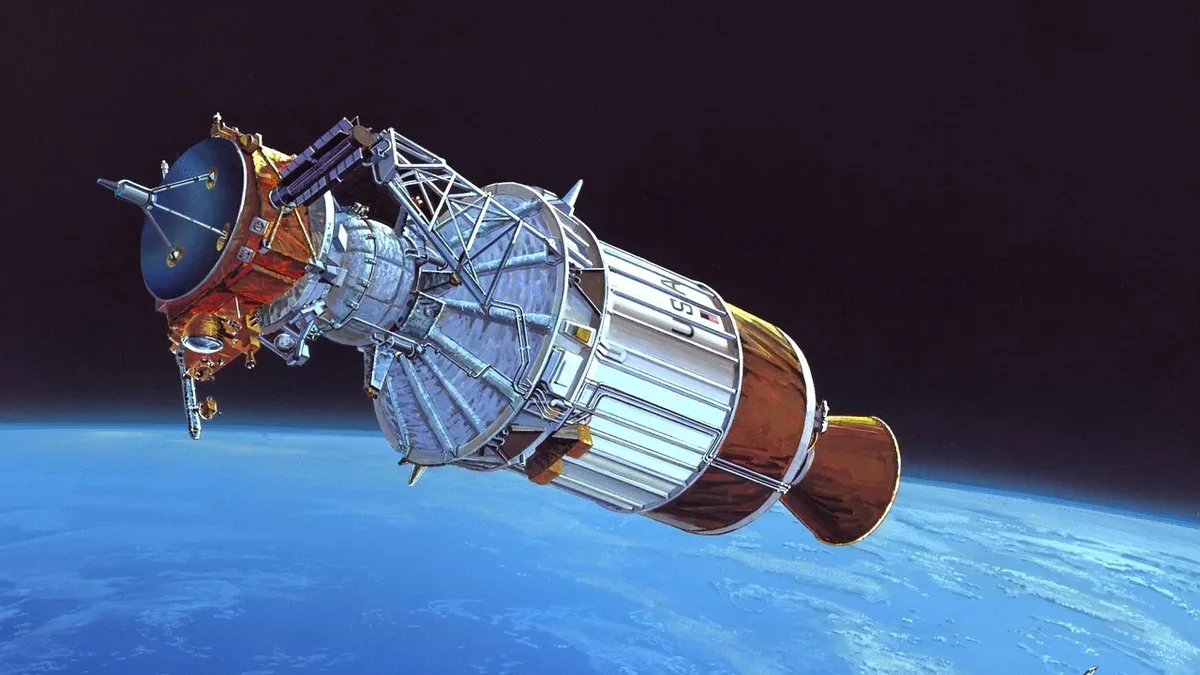
| Space Technology | Accelerators help scientists test satellite electronics against damage from cosmic rays, which are fast-moving particles in space. |
The enduring legacy of the Cockcroft-Walton machine is its role in enabling these diverse scientific and technological advancements, from treating cancer in hospitals to preserving art in the Louvre.