Superconductivity
| Core phenomenon | Zero electrical DC resistance below a critical temperature. |
|---|---|
| Critical temperature (Tc) | Varies by material; ranges from near absolute zero to above 100 K. |
| Meissner effect | Expulsion of magnetic fields from the interior of a superconductor. |
| Critical magnetic field (Hc) | Maximum external magnetic field a superconductor can withstand before losing superconductivity; varies by material. |
| Critical current density (Jc) | Maximum electrical current density a superconductor can carry before losing superconductivity; varies by material and conditions. |
| Type classification | Type I (exhibits complete Meissner effect) or Type II (allows partial magnetic field penetration in vortices). |
| Original use | Fundamental physics research and laboratory electromagnets. |
| First documented | 1911 by Heike Kamerlingh Onnes (mercury at 4.2 K). |
Origin and history
Superconductivity was first discovered in the Netherlands in the early 20th century. The phenomenon was observed by physicist Heike Kamerlingh Onnes and his team in Leiden in 1911. This initial discovery occurred during experiments on the electrical resistivity of mercury at extremely low temperatures. Onnes found that upon cooling solid mercury below approximately 4.2 Kelvin, its electrical resistance abruptly vanished entirely. This critical temperature is known as the transition temperature or critical temperature (Tc). The discovery was a direct result of Onnes's pioneering work in liquefying helium, which provided the necessary cryogenic environment. For decades afterward, superconductivity remained a laboratory curiosity observed only in a handful of elements and alloys at temperatures near absolute zero.
What it is for
Superconductivity serves the fundamental purpose of enabling the lossless transmission of electrical current. This property is utilized to create extremely powerful electromagnets that do not dissipate energy as heat. Such magnets are essential for magnetic resonance imaging (MRI) machines in medical diagnostics. They are also critical for particle accelerators like the Large Hadron Collider, which require strong, stable magnetic fields to steer particle beams. Superconducting materials are used in sensitive magnetometers known as SQUIDs (Superconducting Quantum Interference Devices) for measuring tiny magnetic fields. The phenomenon is also foundational for certain types of quantum computing architectures that rely on superconducting qubits. Research continues into using superconductivity for efficient power grid transmission and magnetic levitation (maglev) transportation systems.
Pros and cons
The primary advantage of superconductivity is the complete elimination of electrical resistance, which allows for unprecedented efficiency in electrical systems and the generation of intense magnetic fields. This leads to significant energy savings and performance capabilities unattainable with conventional materials. A major con, however, is the stringent and costly cryogenic requirement, as most practical superconductors require cooling with liquid helium or nitrogen, which involves complex infrastructure and ongoing expense. A common mistake is underestimating the engineering challenges of thermal management and mechanical stress in superconducting coils, which can lead to a "quench" where the material suddenly loses its superconducting state, potentially causing catastrophic damage. Many organizations regret the initial investment when faced with the persistent operational costs and specialized expertise required for maintenance. Furthermore, high-temperature superconductors, while operating at more accessible temperatures, are often brittle ceramics that are difficult and expensive to manufacture into long, flexible wires needed for most applications.
Who it suits
Superconductivity suits large-scale scientific facilities and well-funded research institutions that require the unique properties it offers despite the high costs. It is suited for medical institutions that prioritize the superior image quality and reliability of superconducting magnets in diagnostic MRI machines. The technology suits national energy grid projects in regions where long-term efficiency gains can justify the massive initial investment in infrastructure and cooling systems. It also suits specialized industrial applications where extreme magnetic fields or ultra-sensitive magnetic measurements are absolutely necessary, such as in materials science research or geological surveying. Conversely, it does not suit small-scale electronics, consumer applications, or any project with limited budgets or an inability to manage complex cryogenic systems. The field suits materials scientists and engineers who are specifically trained in cryogenics and the handling of brittle superconducting materials.
Latest Superconductivity news
Latest reporting
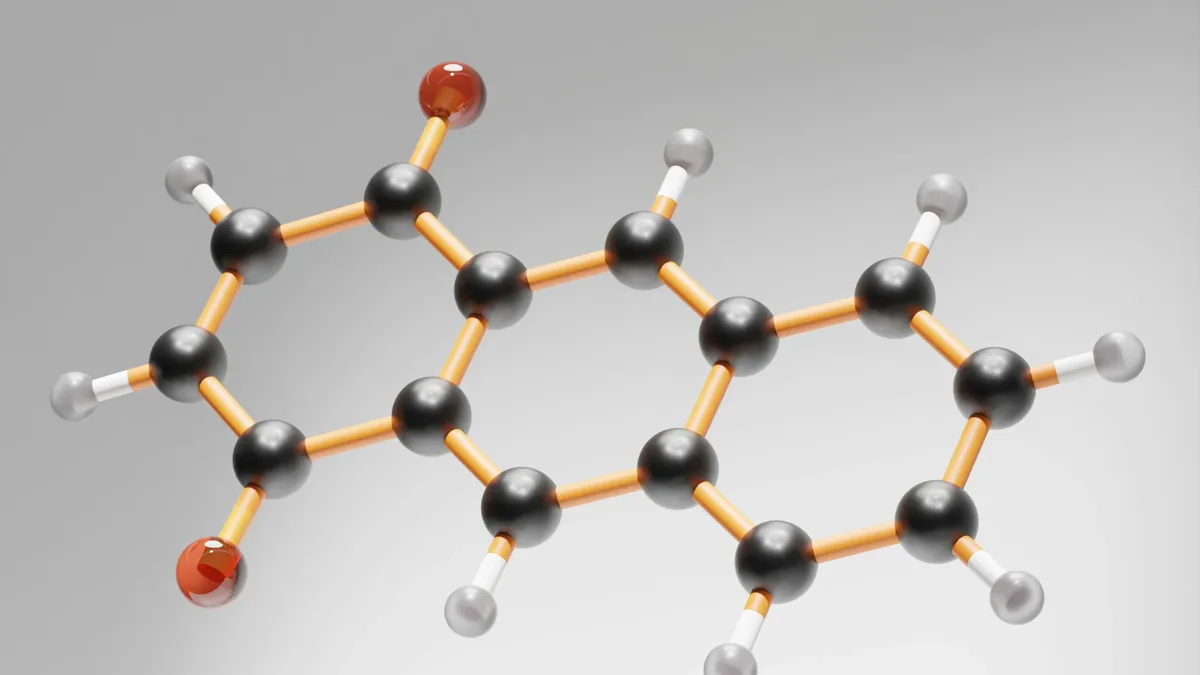
Chromium material hosts three phases pointing to spin-triplet superconductivity
Researchers have identified three distinct quantum phases in the superconductor K2Cr3As3.
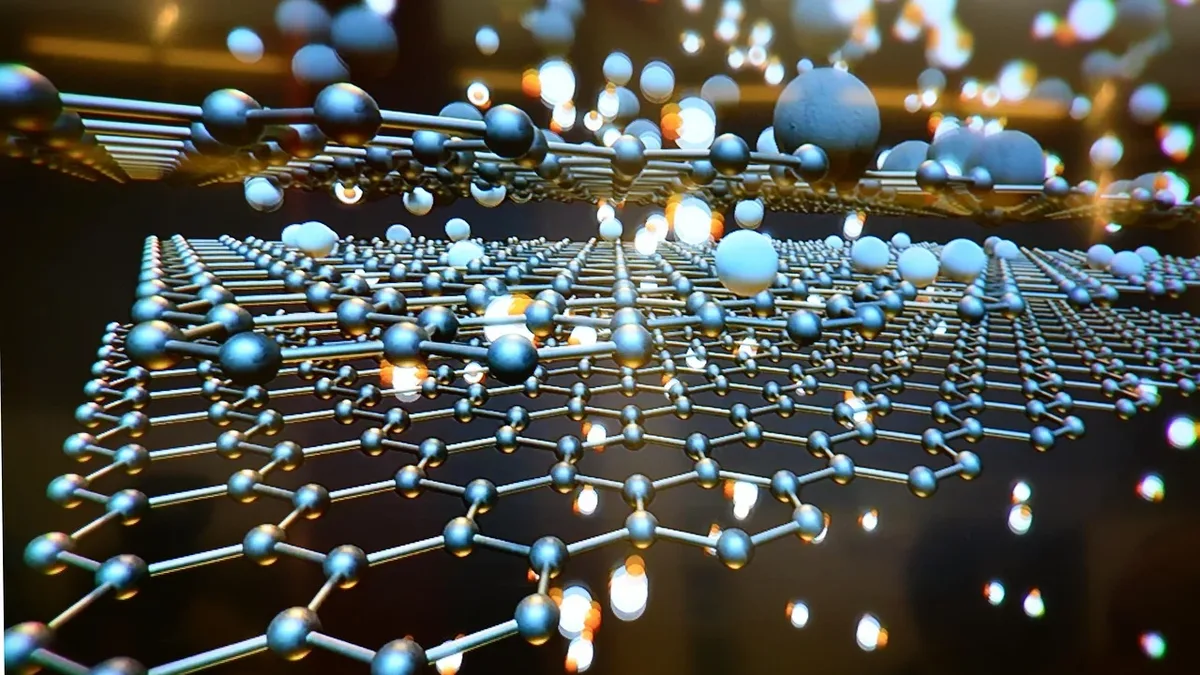
Magic-angle graphene superconductivity suppressed in Manchester experiment
Researchers from the University of Manchester have completely suppressed superconductivity in magic-angle graphene by screening electron-electron...