Laser experiments reveal consistent magnetic
Kyushu University researchers used high-power lasers to recreate magnetic reconnection, the process behind solar flares.
Researchers have used high-power lasers to recreate the physics of solar flares in a laboratory. A team from Kyushu University, led by Associate Professor Taichi Morita, found that the rate of magnetic reconnection remained consistent even when the conditions of the colliding plasmas were changed.
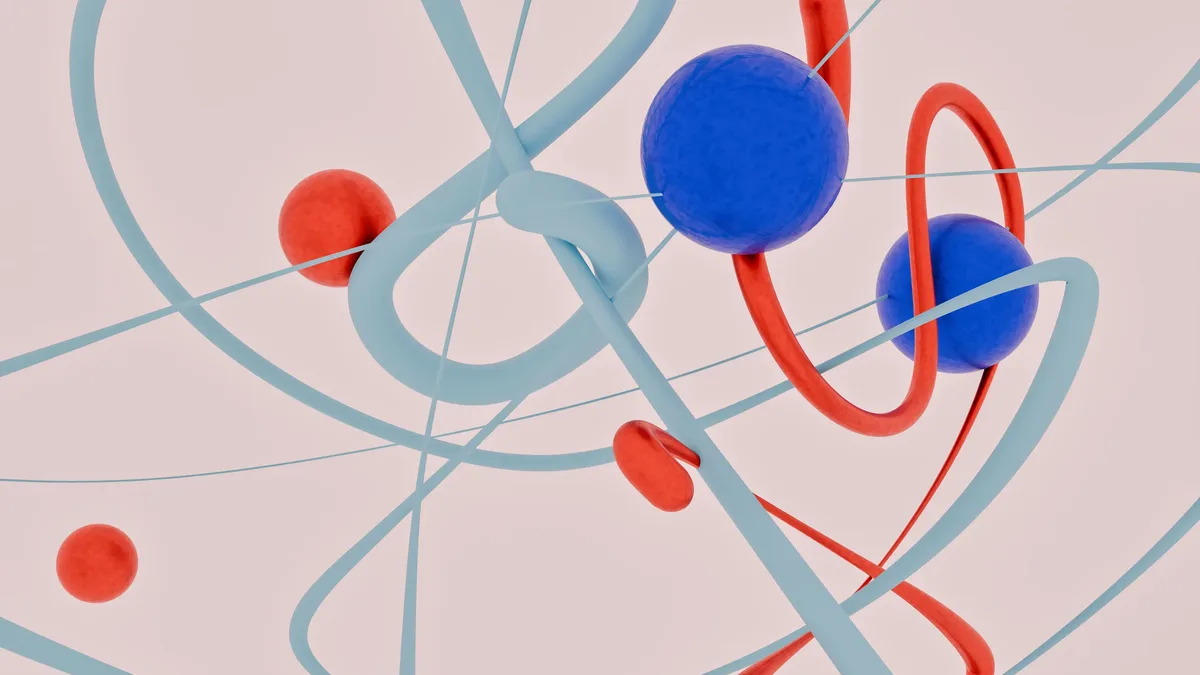
Magnetic reconnection is a fundamental plasma process where opposing magnetic field lines break and reconnect. This releases vast amounts of stored magnetic energy. It is the driving mechanism behind solar flares and geomagnetic substorms. Understanding its rate is a central problem in space plasma physics.
Laser-driven plasma collisions
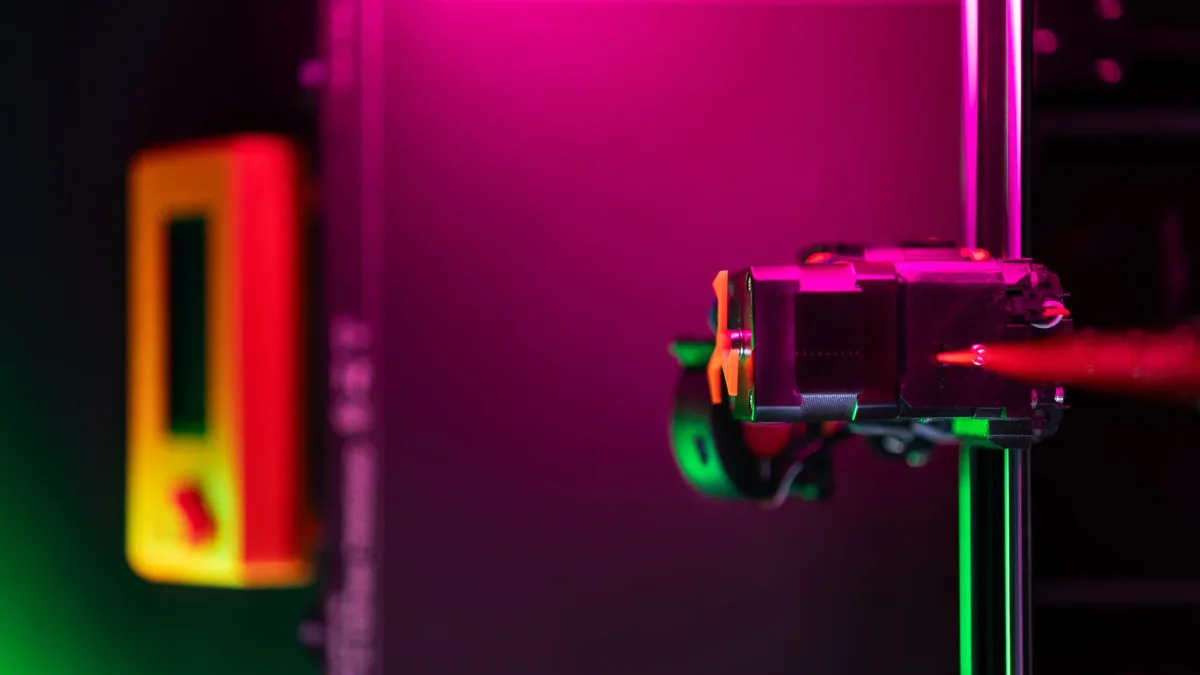
The experiments were conducted using the Gekko-XII laser facility at Osaka University. The team fired high-power laser beams at two separate spots on a carbon target. This created two expanding clouds of plasma. By altering the distance between these laser spots, the researchers could substantially vary the density and magnetic field strength of the plasmas flowing into the collision region.
A custom two-directional laser Thomson-scattering system was developed to diagnose the process. This technique analyzes laser light scattered by the plasma to measure key properties like temperature, density, and flow velocity in real time.
Robust reconnection rates
The results showed a striking consistency. Even though the expansion histories and the timing of reconnection events differed, the measured reconnection rates were remarkably similar once a current sheet had formed. "Our study provides experimental evidence for the robustness of the magnetic reconnection process," Morita said. He stated it demonstrates that fast reconnection can occur at similar rates despite substantially different upstream conditions.
The team also quantified how the released magnetic energy was partitioned. They measured the division between heating the local plasma and accelerating it into high-speed outflow jets. "The measurement techniques established in this study now make it possible to quantitatively evaluate the magnetic reconnection rate and its energy conversion," Morita added.
Implications for space weather
The findings provide key experimental benchmarks for testing theoretical and numerical models of magnetic reconnection. The consistency of the rate supports the idea that fast reconnection is governed by the local physics of the reconnection layer itself, rather than by the properties of the incoming plasma.
The Kyushu University team plans to extend their experiments. Future work will aim to replicate conditions more akin to those in space, including oblique magnetic fields and asymmetric plasma flows. According to Morita, this improved understanding will aid in predicting space weather events that can disrupt satellites, communications, and power grids on Earth.
The study was published on September 18, 2026.